Water Treatment Plant
BROCHURES
GET A QUOTE
Water Softening Plant Manufacturer
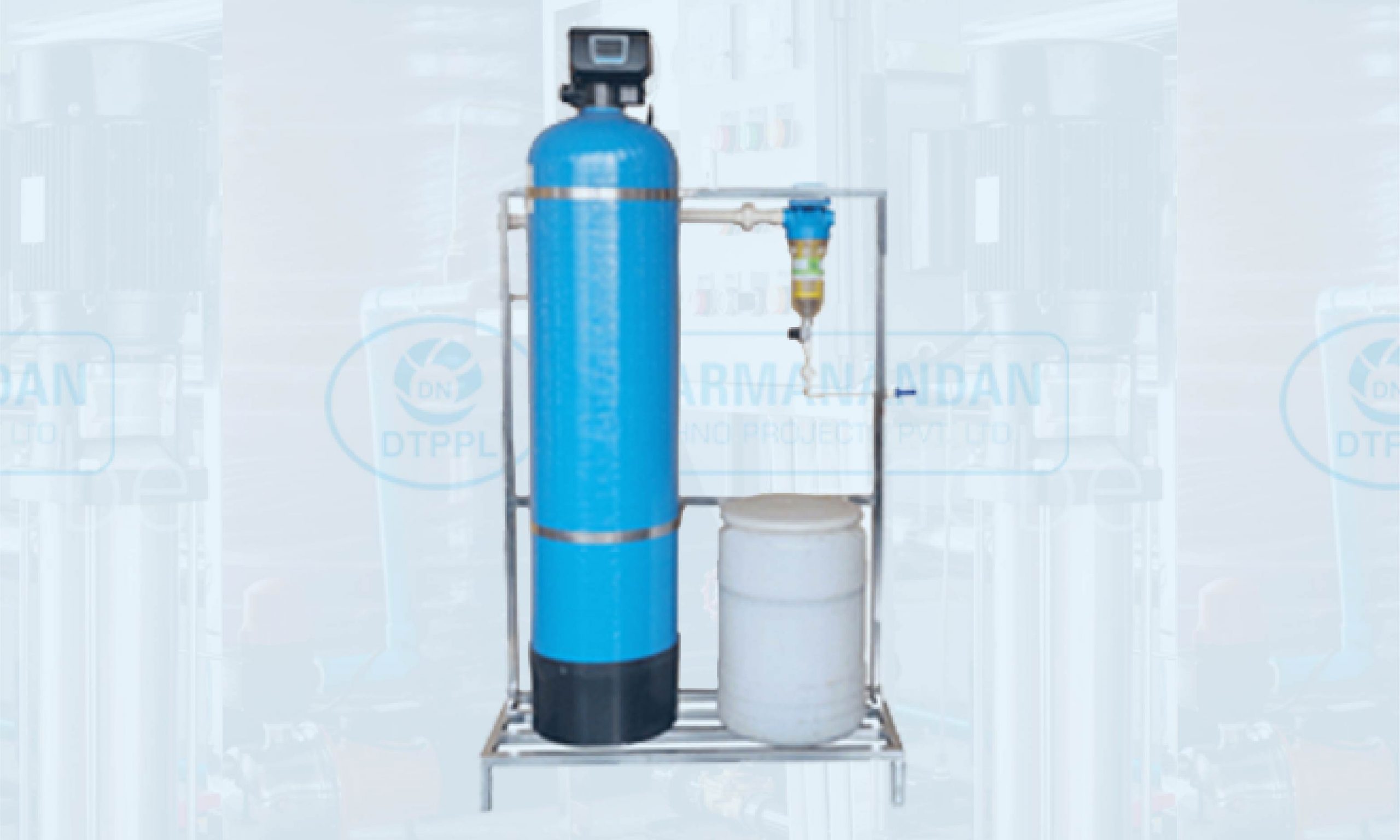
A water softener is a specialized, pressurized water treatment device designed to treat hard water by passing it through a bed of cation exchange media. This process replaces calcium and magnesium ions with sodium or potassium ions, resulting in softened water. It is important to note that a water softener serves as a comprehensive solution for hard water issues throughout the entire household, but it is not a water filter.
- 500LPH
- 1000LPH
- 2000LPH
- 3000LPH
- 4000LPH
- 5000LPH
- 6000LPH
- 8000LPH
- 10000LPH
& Above capacity.
MOC: FRP (Fiber Reinforced Plastic)
SS (Stainless steel- 304/316)
- Pharmaceutical Industries
- Water Jet Looms
- Power generation
- Automobile
- Chemical Industries
- Dairy Processing
- Processing Industries
- Institutional Sectors
- Vertical vessel with AUTO multiport valve
- Scale reduction and saving in detergent and water heating
- Improved efficiency of process equipment
- Reduced maintenance, chemical and detergent costs
- Reduced energy and water consumption
Understanding Water Softeners: Essential for Better Water Quality
What is a Water Softener?
A water softener is an essential filtration device designed to remove hardness-causing minerals such as calcium and magnesium from water. These minerals contribute to water hardness, which can lead to various issues in household plumbing and appliances. The primary mechanism through which a water softener operates is known as ion exchange. This process effectively removes Ca2+ and Mg2+ ions from the water, replacing them with sodium ions, thereby transforming hard water into soft water. The result is improved water quality, taste, odor, and appearance.
How Water Softeners Work?
Water softeners utilize a process called ion exchange to remove calcium and magnesium ions from water. The system contains resin beads that are charged with sodium ions. As hard water passes through the resin bed, the resin beads attract and hold onto the calcium and magnesium ions, while releasing sodium ions into the water. This exchange of ions effectively reduces water hardness. Additionally, during the softening process, iron can also be removed, but the primary focus is on magnesium and calcium. If the water hardness in your area exceeds 120 mg/L, installing a water softener is highly recommended.
Benefits of Using a Water Softener
Using a water softener offers numerous benefits. It prevents the formation of mineral blocks and scale in plumbing systems, thereby extending the lifespan of household appliances such as water heaters, dishwashers, coffee makers, and ice machines. By reducing scale buildup, water softeners help maintain optimal water pressure and prevent corrosion caused by hard water. Soft water also improves the efficiency of detergents and soaps, making laundry cleaner and reducing soap scum on shower curtains and other surfaces. Furthermore, bathing with soft water makes your skin and hair feel softer and less prone to dryness and irritation.
Signs You Need a Water Softener
There are several indicators that suggest the need for a water softener:
- Laundry requiring extra detergent to appear clean.
- Cookware emerging from the dishwasher with streaks and stains.
- Filmy scum settling on shower curtains and poor soap lathering.
- Water hardness levels in your home exceeding 120 mg/L.
- Hair remaining dirty even after washing.
- Reduced water pressure due to mineral buildup in pipes.
- Unpleasant taste in drinking water.
- Skin becoming itchy and dry and hair dull and sticky after bathing.
- Increased maintenance costs and efforts to combat the effects of hard water.
DTPPL: Your Trusted Water Softener Manufacturer
At DTPPL, we are one of the leading manufacturers, exporters and suppliers of Water Softening Plant. Our advanced product line and cutting-edge designs have earned the trust of a sizable client base. By providing efficient and reliable solutions, we ensure that our clients receive the highest quality water treatment systems tailored to their needs.
Impact of Hard Water on Homes
Hard water can wreak havoc in homes by causing mineral blocks and scale in pipes, reducing water pressure, and shortening the lifespan of household appliances. The presence of calcium and magnesium in hot water can lead to solid clogs in plumbing systems, particularly in areas with high water temperatures. Additionally, hard water can cause corrosion when different metals in contact with an electrolyte start to deteriorate.
Water Softening Plant Solutions
Our water softening plants are designed to address the specific needs of various clients. The water softening plant cost is competitive, ensuring affordability without compromising on quality. We provide both standalone water softener plants and integrated water softener and plants solutions that cater to diverse water treatment needs.
Hard Water Softener Mechanism
The Hard Water Softener Mechanism employed in our systems ensures efficient removal of hardness-causing minerals. The ion exchange process used in our water softener mechanism is optimized for high performance, ensuring that our clients receive the best possible water quality. Our softening plant designs include robust pre-treatment stages, such as sediment filtration and carbon filtration, to enhance the efficiency and longevity of the ion exchange resin.
The DTPPL Advantage
Choosing DTPPL for your water softening needs guarantees top-notch products and exceptional service. Our water softening plant solutions are designed to provide effective and long-lasting results. As a trusted Water Softener Manufacturer, we are committed to helping our clients achieve better water quality, which in turn enhances the overall health and convenience of their daily lives.
By installing a water softener from DTPPL, you can ensure that your water is free from hardness-causing minerals, leading to a significant improvement in water quality and the longevity of your plumbing and appliances. Our dedication to innovation and customer satisfaction makes us the ideal partner for all your water treatment needs.
Water Softening Plant (Water Softener)
Capacity: 500 LPH to 10,000 LPH
(USD 4,200 to USD 49,500)
Water Softening Plant Export Countries
Grenada | UAE | Iceland | Faroe Islands | Dominican Republic | Uganda | Czechia | Gabon | Hong Kong | Guyana | Guadeloupe | Rwanda | Germany | Guinea | El Salvador | Saudi Arabia | Georgia | Jersey | Equatorial Guinea | Dominica | Angola | Benin | Fiji | Eswatini | Honduras | Cameroon | Ethiopia | France | Liberia | Egypt | Democratic Republic of Congo | Haiti | Guatemala | Guinea-Bissau | Qatar | South Africa | Denmark | Ghana | Ecuador | Greece | Fiji | Nigeria | Falkland Islands (Islas Malvinas) | Djibouti | Kenya | French Polynesia | Finland | Hungary | South Africa | Democratic Republic of the Congo | Cambodia | Many More…
FAQs on Water Softening Plants
What is a Water Softening Plant, and how does it work?
A Water Softening Plant is designed to remove hardness-causing minerals like calcium and magnesium from water, using methods such as ion exchange. The plant works by exchanging calcium and magnesium ions in water with sodium or potassium ions, thus softening the water. Different capacities of Water Softening Plants, such as 500 LPH Water Softening Plant, are used based on the water demand of industries.
What is the difference between a 500 LPH Water Softening Plant and a 10000 LPH Water Softening Plant?
The difference lies primarily in the capacity of water treatment. A 500 LPH Water Softening Plant can treat up to 500 liters of water per hour, suitable for small industries or residential use, whereas a 10000 LPH Water Softening Plant is used in large-scale operations requiring higher capacity, such as power plants or manufacturing units.
What industries use Water Softening Plants?
Water Softening Plants are essential across various industries such as:
- Pharmaceutical Industry (for water used in drug manufacturing)
- Food & Beverage Industry (to ensure high-quality water for production)
- Dairy Industry (for milk processing)
- Textile Industry (to prevent scale formation in dyeing and finishing processes)
- Boiler & Steam Generation Plants (to reduce scaling and corrosion)
- Commercial establishments (like hotels, hospitals, and large apartments)
How do I choose the right Water Softening Plant for my business?
The right Water Softening Plant depends on your water usage requirements. A 500 LPH Water Softener is ideal for small-scale operations, while larger industries may require up to 10000 LPH Water Softening Systems. Consult with a professional like Dharmanandan Techno Project Pvt. Ltd. (DTPPL) to choose the optimal plant based on your needs.
What are the key components of a Water Softening Plant?
Key components of a Water Softening Plant include:
- Pre-filters (to remove debris)
- Ion exchange resin (to remove calcium and magnesium ions)
- Brine tank (for regeneration)
- Control valve (for flow regulation)
- Softened water storage tank (to store treated water)
- Pump (for water circulation)
What is the installation process for a Water Softening Plant?
Installing a Water Softening Plant involves the following steps:
- Site assessment and planning
- Plumbing and electrical connections
- Equipment setup, including ion exchange resin bed and control valves
- Testing and calibration of the system
- Training staff on maintenance and operation
Dharmanandan Techno Project Pvt. Ltd. (DTPPL) can help with installation and commissioning.
How much does a Water Softening Plant cost?
The price of a Water Softening Plant depends on the capacity and complexity. For exact pricing, contact Dharmanandan Techno Project Pvt. Ltd. (DTPPL).
What is the maintenance schedule for a Water Softening Plant?
Regular maintenance includes:
- Checking and replenishing ion exchange resin
- Cleaning and replacing pre-filters
- Inspecting the control valves
- Monitoring water hardness levels
A typical maintenance schedule would be every 6 months to 1 year, depending on plant usage.
Can a Water Softening Plant be used for residential applications?
Yes, Water Softening Plants are widely used in residential settings, particularly for apartments and housing societies where water hardness is an issue. A 3000 LPH Water Softener for Apartments can cater to a medium-sized residential complex, while larger systems like 10000 LPH are suitable for entire townships or housing colonies.
What are the benefits of using a Water Softening Plant?
The key benefits include:
- Prevention of scale buildup in pipes, boilers, and machinery
- Improved efficiency of detergent and soap (since soft water enhances cleaning)
- Longer lifespan of appliances like dishwashers and washing machines
- Better quality water for industrial and residential uses
- Reduced maintenance costs on water-based equipment
How long does a Water Softening Plant last?
With proper maintenance, a Water Softening Plant can last between 10 to 15 years. The ion exchange resin may require replacement every 3 to 5 years depending on water hardness levels.
What is the financial assistance available for setting up a Water Softening Plant?
In some regions, there are government grants, subsidies, or tax incentives for setting up water treatment plants. For businesses, Dharmanandan Techno Project Pvt. Ltd. (DTPPL) can help with exploring financial assistance options available in your region, including bank loans and business financing options.
What are the environmental benefits of using a Water Softening Plant?
Using a Water Softening Plant reduces energy consumption in industries like power plants by preventing scale formation in boilers. It also minimizes the use of harsh chemicals, promoting eco-friendly practices. Properly treated water can be safely disposed of, reducing environmental contamination.
What is the demand for Water Softening Plants outside India?
Globally, the demand for Water Softening Plants is on the rise due to increased water quality concerns. Countries like the USA, Canada, Australia, and those in Europe are key markets for water softening solutions. Growing industries, particularly in Africa and Asia, are investing in water softening systems to meet industrial and residential water quality standards.
Which cities in India are seeing high demand for Water Softening Plants?
Cities like Mumbai, Delhi, Bangalore, Hyderabad, Surat and Ahmedabad have seen a growing demand for Water Softening Plants, particularly due to the expansion of industrial operations and residential development projects. These cities face significant water hardness issues, driving demand for softening solutions.
What are the advantages of using a 500 LPH Industrial Water Softener?
A 500 LPH Industrial Water Softener is ideal for small to medium-sized businesses, such as small food and beverage factories, small hotels, and pharmaceutical units. It offers the benefit of low operational costs and compact design while effectively softening water for production processes.
What are the applications of a 10000 LPH Water Softening Plant?
A 10000 LPH Water Softening Plant is typically used in large-scale industrial applications, such as:
- Power plants (for boiler feed water)
- Textile and dyeing industries
- Pharmaceutical manufacturing
- Food and beverage processing (to ensure high-quality water for production)
How does a Water Softener benefit boiler feed water treatment?
A Water Softener for Boiler Feed helps reduce hardness, preventing scale formation inside boilers. This ensures higher efficiency, better heat transfer, and prolonged boiler life. A 6000 LPH Water Softener is ideal for medium-sized power plants and steam generation units.
What is the role of a 2000 LPH Water Softener in the dairy industry?
In the Dairy Industry, a 2000 LPH Water Softener is used to soften water for cleaning, milk pasteurization, and production of dairy products. Softened water prevents scale buildup in dairy processing equipment and improves hygiene and product quality.
Can I integrate a Water Softening Plant with other water treatment systems?
Yes, Water Softening Plants can be integrated with reverse osmosis (RO) systems, demineralization plants (DM), or filtration systems to enhance overall water treatment. This is especially beneficial in industries like pharmaceuticals, where water quality standards are strict.