



Listening Article
Table of Contents
Cold Drink Manufacturing Machine for Shimla based Beverage Plant
January 5, 2026Cold Drink Manufacturing Machine and Plant in Shimla
To guide entrepreneurs and investors in Shimla, Himachal Pradesh, on selecting the right cold drink manufacturing machine and plant, with an emphasis on understanding the production process, key equipment, capacity planning, quality control, regulatory compliance, and scalability for successful carbonated soft drink production.Beverage Manufacturing Plant Opportunity in Shimla
Shimla, the capital city of Himachal Pradesh, is a thriving hub for tourism, hospitality, and retail businesses. With rising demand for chilled beverages and carbonated drinks in the hill‑station environment, establishing a cold drink manufacturing plant in the region can be a lucrative business opportunity. To ensure consistent product quality and efficient production, selecting the right cold drink manufacturing machines is a foundational decision every entrepreneur must make before launching a beverage project.
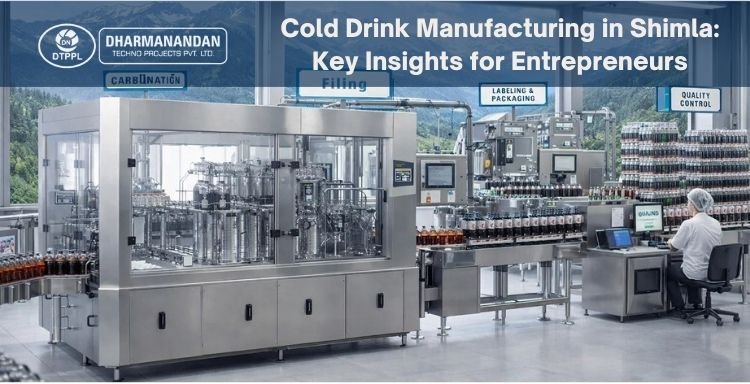
Unlike simple bottling operations, modern carbonated soft drink manufacturing involves a multi‑stage process that includes water treatment, syrup preparation, carbonation, filling, sealing, and packaging — all driven by specialized machines designed to meet industry standards and consumer expectations.

Cold Drink Manufacturing Plant: Understanding the Core Processes
Before discussing machine selection, it’s crucial to understand the major production stages that any cold drink plant needs to handle:
Water Treatment and Preparation
Water is the primary ingredient in carbonated beverages, often constituting more than 90% of the final product. Therefore, purifying water to remove impurities and contaminants is the first essential step in any cold drink plant setup.
Key equipment involved:
- Water filtration systems (sand, activated carbon)
- Dechlorination units
- Deaeration units
- Reverse osmosis and UV sterilization (optional based on product quality needs)
This set of machines ensures that the beverage’s base water is safe, tasteless, and odorless, forming a reliable foundation for subsequent steps.
Syrup Mixing and Ingredient Handling
The next critical process involves preparing the sweetened, flavored syrup that gives the beverage its signature taste. This process requires careful dosing and blending of ingredients such as sugar, flavor concentrates, acids, and stabilizers.
Machines in this stage include:
- Dosing pumps and tanks for precise measurement of syrups and additives
- Mixing vessels with temperature and agitation control
- Batch mixers for uniform consistency
Correct machine choice ensures accurate proportioning, which directly influences flavor consistency and product quality — essential for consumer satisfaction and brand reliability.
Read Our Article
Beverage Brand Foundation Building: Establishing Your Brand's DNA
Carbonation Technology
Carbonation is what gives soft drinks their characteristic “fizz.” During this phase, carbon dioxide (CO₂) is injected into the beverage mixture under controlled pressure and temperature settings to ensure proper dissolution and effervescence.
Key considerations for carbonation machines include:
- Carbonator capacity and performance
- Pressure stability control
- Temperature‑controlled carbonation chambers
High‑quality carbonation machines help standardize the level of CO₂ dissolved in the drink, balancing smooth fizz and mouthfeel — critical aspects of consumer acceptance.
Filling Machines and Packaging Lines
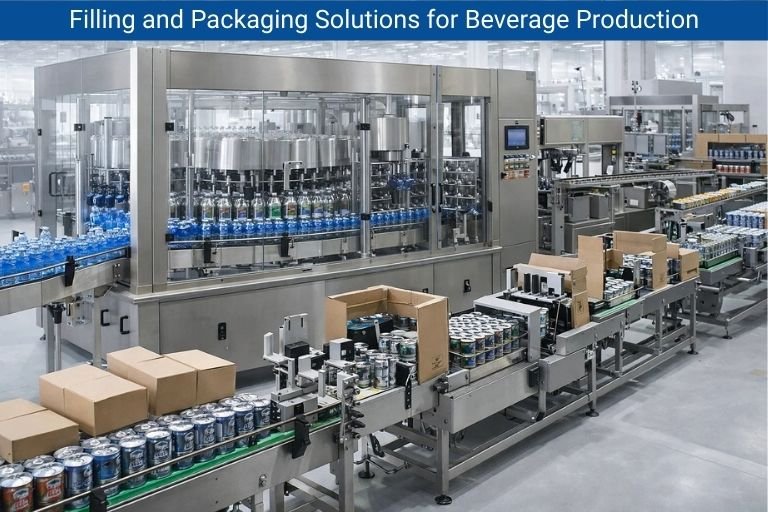
Once water, syrup, and carbonation are combined, the beverage is ready for packaging. Filling and sealing equipment is perhaps the most visible part of the plant, as it interfaces directly with production output.
Machine types and functionalities:
- Counter‑pressure fillers: These are essential for carbonated beverages, as they maintain CO₂ retention and minimize foaming during bottle filling.
- Automatic capping machines: Provide airtight closures that prevent CO₂ loss and preserve freshness.
- Labeling machines: Attach branding, nutritional information, and regulatory details.
- Carton or crate packers: Facilitate distribution‑ready packaging.
Choosing a filling machine that aligns with your intended output volume and container type (PET, glass, can) is crucial for consistent production and long‑term ROI.
Quality Control and Testing Equipment
Ensuring that each batch meets safety and quality standards is non‑negotiable in beverage manufacturing. Quality control systems inspect:
- pH and sugar content
- Carbonation levels
- Microbial safety
- Bottle integrity and packaging standards
Automated inline sensors and laboratory testing tools help maintain consistency and regulatory compliance — key for consumer trust and market entry.
Client Review
“We purchased a packaged drinking water plant in Chandigarh from Dharmanandan Techno Projects Pvt. Ltd. (DTPPL), and the overall experience was highly satisfactory. The team provided end-to-end support, from plant design to water treatment and regulatory compliance. The system delivers consistent, hygienic, and high-quality drinking water, making it ideal for public spaces and large gatherings.”
– Rohit Verma
Cold Drink Machine: Key Factors to Consider While Choosing
Selecting the right machines is not just about performance – it’s about alignment with your business goals. Here are the top factors conscientious entrepreneurs in Shimla should evaluate:
Production Capacity & Scalability
Match the machine’s output capacity to your projected market demand. If you plan to serve local retail, a smaller capacity line may suffice. But if targeting larger regional distribution across Himachal Pradesh and neighbouring states, consider machines that support higher batch throughput.
Scalability is equally important — choose systems that allow easy upgrades as your business grows.
OUR OTHER PRODUCT
Degree of Automation
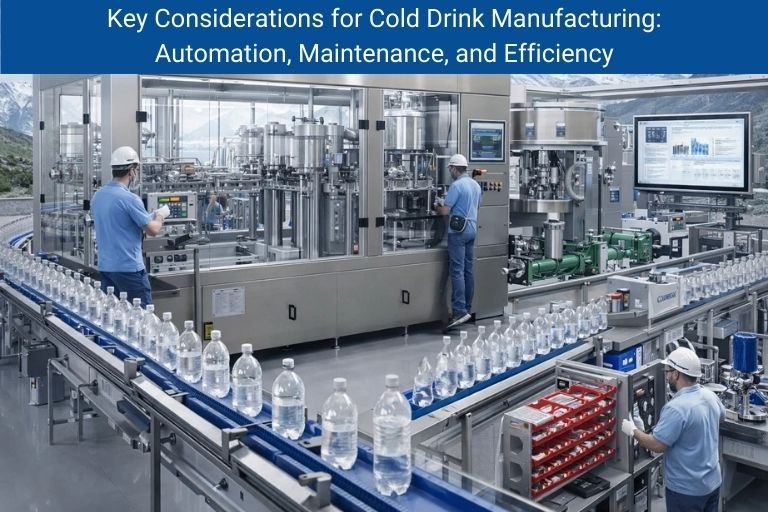
Machines range from semi‑automatic to fully automated systems. Fully automated lines reduce dependence on manual labor, improve consistency, and enhance throughput — ideal for busy facilities or businesses planning rapid growth.
Maintenance and After Sales Support
Look for cold drink manufacturing plant manufacturers who provide reliable service, spare parts availability, and training. Machines that are easy to maintain help minimize downtime and operating costs, creating a smoother production flow.
Energy Efficiency
Cold drink operations can consume significant energy, especially chilling and carbonation systems. Choose energy‑efficient machines that help control utilities cost — an important consideration in hilly areas like Shimla where operating costs are inherently higher.
Compliance with Food Safety Standards
All machines must conform to FSSAI and BIS regulations for manufacturing beverages intended for human consumption. Machines designed with hygiene‑friendly materials (like stainless steel) and built‑in sanitation processes help meet these standards.
Cold Drink Machine Selection Guide: Matching Equipment to Needs
Here’s a simple machine selection guide based on plant size and cold drink business goals:
Plant Type | Recommended Machines | Production Focus |
Small – Startups | Batch mixers, semi‑automatic fillers, small carbonation units | Local retail & customized flavors |
Medium – Regional | Automated mixers, carbonators, high‑speed fillers, packers | Multi‑SKU beverages and regional supply |
Large – Enterprise | Fully integrated production lines with quality control systems | Mass production & wider distribution |
This structured approach helps entrepreneurs in Shimla plan machine investments strategically.
Benefits of Choosing the Right Cold Drink Plant Machines
Investing in appropriate cold drink machinery delivers several long‑term benefits:
Consistent Product Quality
Accurate mixing, carbonation, and filling ensure every batch meets taste and texture expectations.
Improved Operational Efficiency
Automation and reliable controls reduce waste, human error, and production time.
Cost Savings over Time
Efficient machines lower energy usage and maintenance costs while maximizing usable output.
Regulatory Compliance
Machines designed for food‑grade processes support adherence to national quality mandates.
Scalability and Market Potential
Right‑sized machines allow businesses to scale production without replacing entire systems.

Conclusion: Partner with DTPPL for Your Cold Drink Manufacturing Needs in Shimla
Selecting the right cold drink manufacturing machine and plant is a decisive factor that determines long‑term success in Shimla’s beverage market. From water treatment and ingredient mixing to carbonation, filling, and packaging, each stage requires precision‑engineered equipment capable of producing safe, high‑quality carbonated beverages that consumers trust.
For entrepreneurs in Shimla and the wider Himachal region planning to launch a cold drink plant, Dharmanandan Techno Projects Pvt. Ltd. (DTPPL) offers expertly engineered solutions tailored to your operational goals. With comprehensive experience in designing, manufacturing, and supplying beverage production lines including carbonated soft drink plants and cold drink machinery – DTPPL supports businesses with end‑to‑end machinery selection, plant design, and implementation support.
Choosing the right partner helps ensure your investment delivers sustainable performance, regulatory compliance, and competitive edge in the fast‑growing beverage industry.
FAQs
What should I look for when choosing a cold drink manufacturing machine for a plant in Shimla?
Key factors include production capacity, automation level, maintenance support, energy efficiency, and compliance with food safety standards. Machines should match your market scale and growth plan.
What are the main stages of the cold drink manufacturing process?
The process typically involves water treatment, syrup mixing, carbonation, filling, capping, and packaging, all supported by specialized machines designed for quality and consistency.
Why is carbonation equipment important in soft drink production?
Carbonation injects CO₂ into the beverage under controlled temperature and pressure to create the drink’s signature fizz and mouthfeel. Proper equipment ensures consistent carbonation levels.
Do cold drink filling machines differ from mineral water filling machines?
Yes. Cold drink filling machines are designed for carbonated beverages, maintaining pressure and preventing CO₂ loss during filling – unlike mineral water fillers that handle non carbonated liquids.
How do cold drink plant machines help with regulatory compliance?
Food grade design, hygienic materials, and automated sanitation features help machines meet FSSAI and BIS requirements for beverage safety and quality.
Is automation necessary for a cold drink manufacturing plant?
Automation enhances consistency, reduces labor needs, increases production capacity, and improves quality control – making it highly beneficial, especially for medium to large scale plants.
Can machines be upgraded as my cold drink business grows?
Yes. Modular and scalable machine setups allow upgrades such as higher speed fillers, advanced carbonators, and quality control systems as your business expands.
Our associates





































About Author

Director – Global Marketing and Sales
Mr. Bhavesh from Dharmanandan Techno Projects Pvt. Ltd. has played a pivotal role in elevating the DTPPL brand to the global stage, leveraging his exceptional expertise in marketing and communications. He is committed to helping clients achieve significant growth while strengthening their own brands. Dharmanandan Techno Projects Pvt. Ltd. is a leading manufacturer and supplier of water purification systems and turnkey solutions for mineral water plants. With years of experience in designing and delivering high-quality water treatment solutions, the company provides end-to-end services, including system design, installation, maintenance, and ongoing support. Specializing in scalable and customizable water plants, DTPPL has successfully served industries worldwide, ensuring clean and safe drinking water across diverse applications.