




Listening Article
Table of Contents
Mineral Water Plants in Uttar Pradesh – The Impact of Urbanization and Population Growth on
November 12, 2025
Objective
This article explores how urbanization and population growth in Uttar Pradesh are affecting the demand, operations, and challenges for mineral water plants. It discusses city-specific issues, including water resource management, licensing, and the influence of tourism on water consumption, while highlighting the growing need for mineral water plant consultancy and mineral water plant project management in the state.
Introduction: The Growing Demand for Packaged Drinking Water in Uttar Pradesh
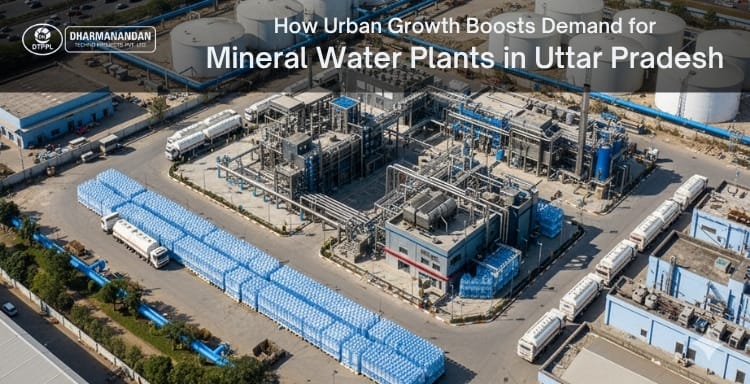
Uttar Pradesh, one of India’s most populous states, is experiencing rapid urbanization, leading to a surge in demand for clean drinking water. As cities expand and populations increase, the need for mineral water plants is more critical than ever. The state’s growing demand for packaged drinking water is driven by factors such as increasing urban population, industrialization, and a rise in tourism. In this article, we will examine the impact of urbanization on mineral water plant setup, the challenges faced by water plants, and how mineral water plant consultancy and turnkey projects can help address these challenges effectively.

Urbanization and Population Growth: Key Drivers of Mineral Water Plant Demand
Urban Expansion Across Uttar Pradesh
As Uttar Pradesh’s cities grow, urban expansion has led to increased consumption of bottled water. Cities like Lucknow, Noida, and Agra are seeing rapid residential and commercial development, driving the demand for reliable drinking water solutions. The growth of urban areas has not only changed the way people consume water but has also increased the pressure on municipal water supply systems. This trend has made mineral water plant manufacturers and suppliers more essential, as people look for safer and more reliable alternatives to tap water.
Population Growth
With Uttar Pradesh’s population continuing to rise, particularly in urban areas, the demand for bottled water continues to soar. Cities like Lucknow and Noida are seeing their populations grow at a significant pace, creating an increased need for mineral water plant setup. Mineral water plants are becoming a critical part of urban infrastructure to meet the drinking water needs of these growing populations. The increased pressure on local water systems due to population growth makes mineral water plant exporters crucial to ensuring a consistent and clean water supply.
City-Specific Challenges: Impact of Urbanization on Mineral Water Plants
Lucknow: Rapid Urbanization and Rising Water Demand
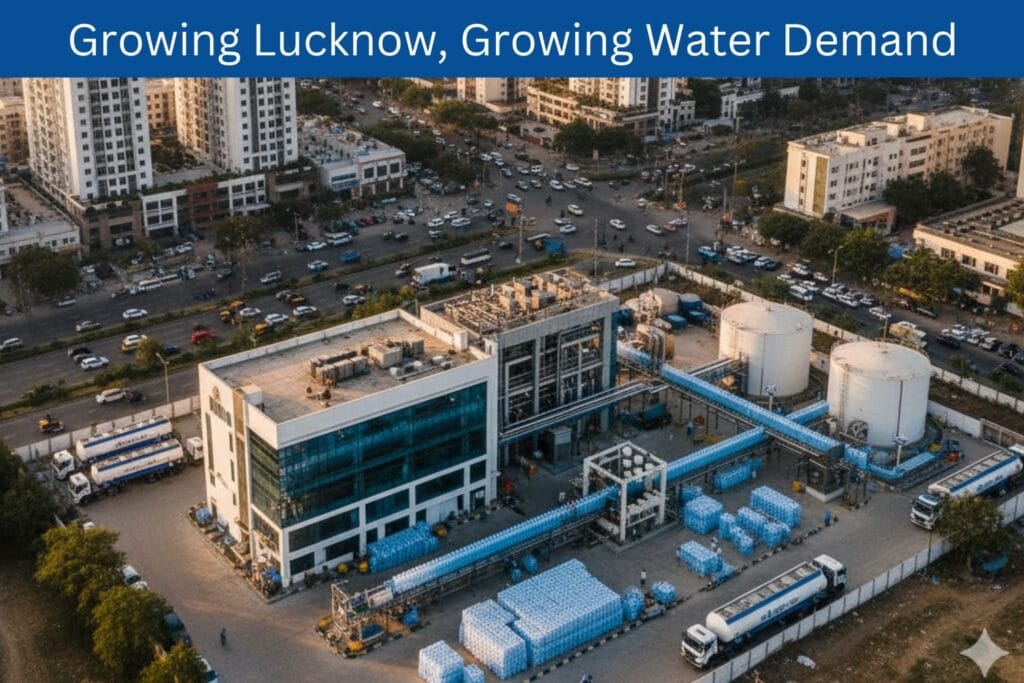
Lucknow, the capital of Uttar Pradesh, is experiencing significant urbanization. As more people move to the city for better opportunities, there is an increasing demand for packaged drinking water. Mineral water plants in Lucknow face challenges related to scaling up production to meet this growing demand. Local water infrastructure often struggles to keep pace with urbanization, and the dependency on bottled water is increasing. Setting up a mineral water plant in Lucknow requires overcoming infrastructure strain, managing water resources effectively, and adhering to local regulations. The high demand for mineral water plant business makes Lucknow an ideal location for new plant installations, particularly with mineral water plant consultancy to ensure compliance with state regulations.
Noida/Greater Noida: Industrial Growth and Water Resource Strain
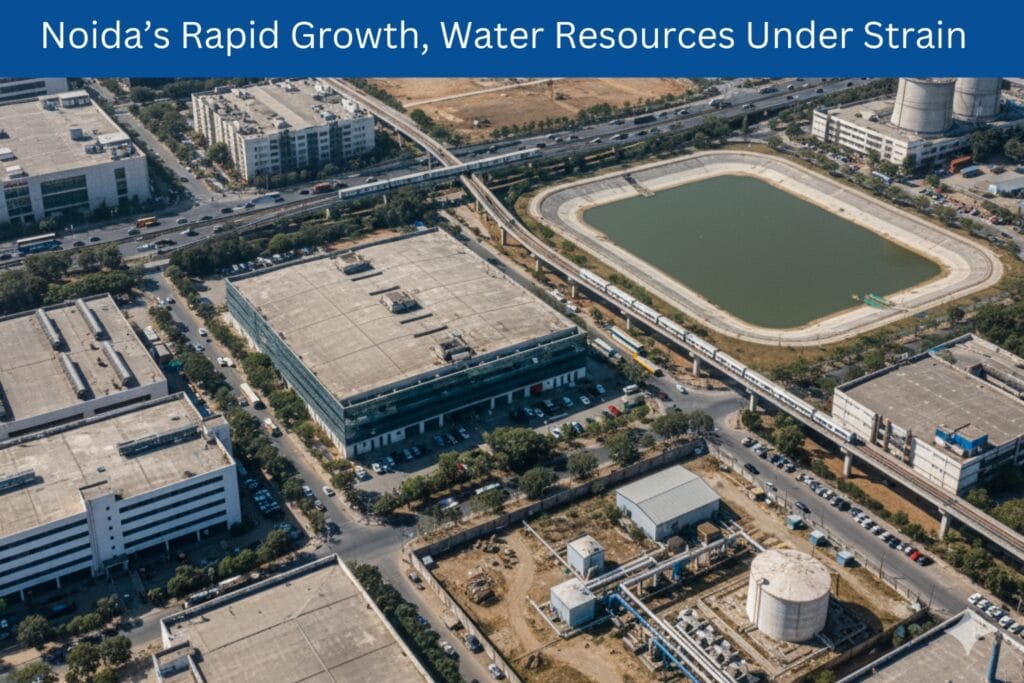
The Noida/Greater Noida region, as part of the National Capital Region (NCR), has witnessed rapid industrialization and residential expansion, resulting in higher water consumption. Water plants in Noida are under pressure due to both industrial and residential water demands, leading to resource depletion. The over-extraction of groundwater is a major concern, which affects the mineral water plant setup in the region. The strain on local water infrastructure means that mineral water plants must invest in advanced water purification technologies like reverse osmosis systems to meet the water quality standards. Furthermore, mineral water plant exporters in Noida face logistical challenges in sourcing and distributing water efficiently.
Varanasi: Population Growth and Tourism-Related Water Consumption
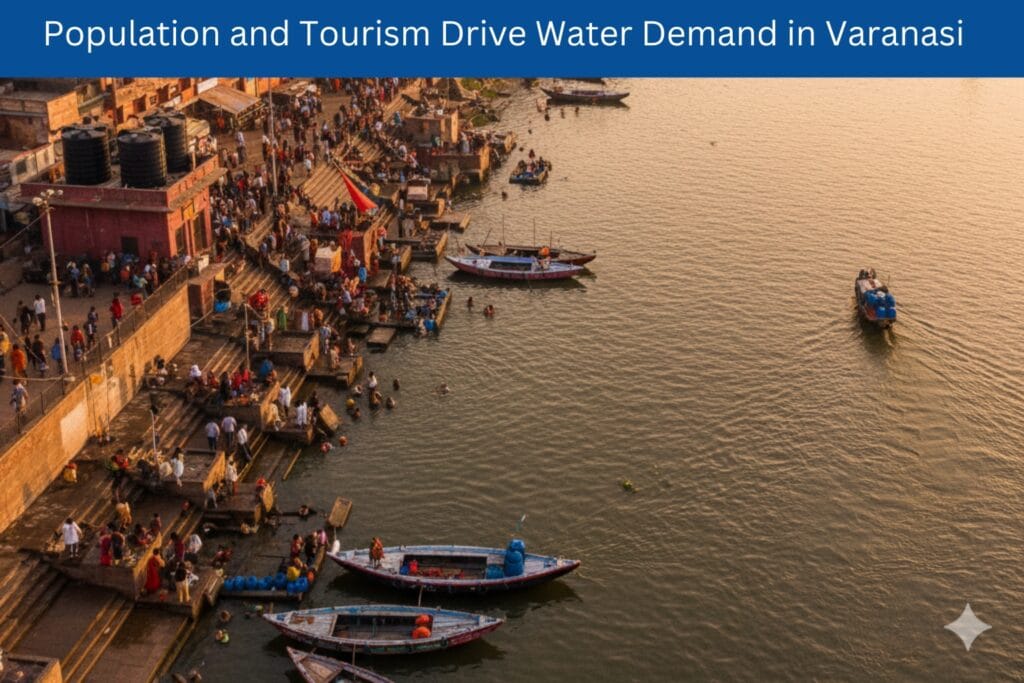
Varanasi, one of the oldest cities in the world and a major pilgrimage destination, experiences a unique set of challenges. While the city’s population is growing, tourism also adds to the water demand. Millions of pilgrims visit Varanasi each year, significantly increasing bottled water consumption. The proximity of mineral water plants in Varanasi to the Ganges River means that local water contamination becomes a serious issue. Water plants in Varanasi must address sourcing water from the Ganges and ensuring it meets the standards required for bottled water. In addition, mineral water plant license regulations are stricter in tourism-heavy cities, creating additional hurdles for new plant setups.
Agra: Managing Water Requirements for a City with High Population and Heavy Tourist Influx
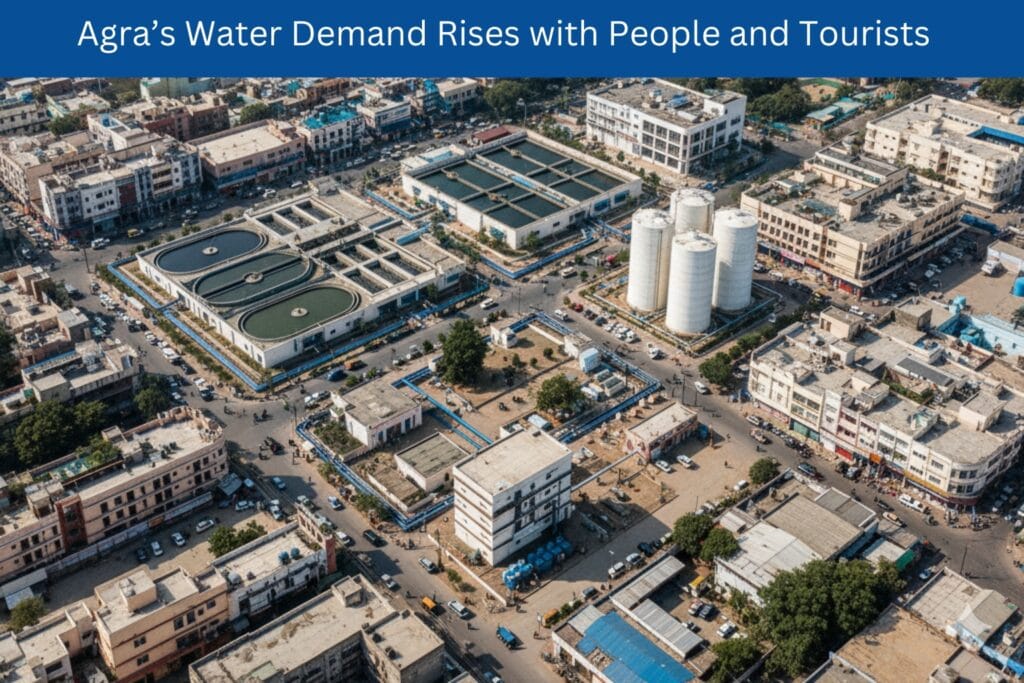
Agra, home to the Taj Mahal, faces significant water demand pressures due to its combination of high population and heavy tourist traffic. During peak tourist seasons, the demand for bottled water in Agra skyrockets, putting a strain on mineral water plants. These plants must not only cater to the needs of residents but also manage the seasonal influx of tourists. Water plants in Agra face challenges in ensuring consistent supply during the tourist season and ensuring that the water quality remains top-notch to meet international standards. The setup of mineral water plants in Agra requires careful planning to handle both local and tourist water needs effectively.
Ayodhya: Addressing Water Management in a City Experiencing a Surge in Visitors and Infrastructure Projects
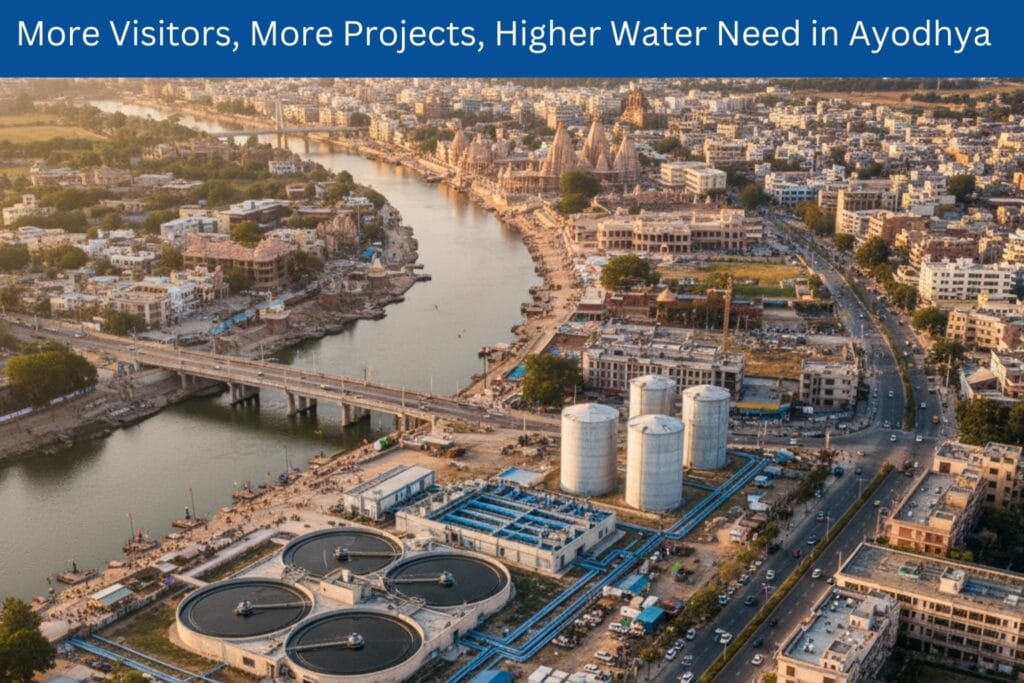
Ayodhya, a city experiencing rapid growth due to increasing infrastructure projects and a surge in pilgrimage tourism, faces significant challenges in managing water resources. The demand for bottled water is rising as more pilgrims visit the city. As a result, mineral water plants must address not only local water supply issues but also seasonal spikes in water consumption due to religious events and festivals. Water plants in Ayodhya are also struggling with limited local water resources, making efficient water management strategies crucial. The challenge lies in ensuring sustainable operations and maintaining high water quality standards while keeping up with the city’s growth.
Water Management Solutions and Opportunities for Mineral Water Plants
As urbanization continues in Uttar Pradesh, mineral water plants must adopt modern water management techniques to ensure sustainable operations. Solutions such as reverse osmosis systems, water recycling, and the adoption of eco-friendly packaging can help plants meet growing demand while minimizing their environmental impact. Moreover, mineral water plant consultants can provide crucial expertise to help businesses navigate the challenges of water sourcing, purification, and distribution.
The increasing demand for bottled water in Uttar Pradesh presents an excellent opportunity for investors and businesses looking to enter the water industry. With the right mineral water plant consultancy and a well-planned mineral water plant project, businesses can establish a sustainable and profitable operation in this growing market.
The Role of Government Policies and Licensing in the Growth of Mineral Water Plants
Uttar Pradesh’s government has specific regulations governing the establishment and operation of mineral water plants. From obtaining a mineral water plant license to complying with environmental standards, navigating the regulatory landscape can be a challenge for new and existing businesses. Government policies that promote sustainable water extraction and waste management are key to the long-term success of these plants. However, bureaucratic hurdles and delays in obtaining necessary permits can slow down the setup process. Mineral water plant consultants can play a crucial role in guiding businesses through the licensing process, ensuring compliance with local laws, and helping secure the necessary approvals.
Read Our Article: Mineral Water Plant Project Cost in India - An Overview
Future Outlook of Mineral Water Plants in Uttarpradesh
Urbanization and the Growing Need for Packaged Drinking Water
The future of mineral water plants in Uttar Pradesh looks promising, with continued urban growth and population increases driving the demand for bottled water. The rise in urbanization, industrial growth, and tourism will continue to fuel the need for efficient and sustainable water supply solutions. However, businesses must remain aware of the challenges posed by water resource management, environmental concerns, and regulatory requirements.
With the right investment in water purification technologies, sustainable practices, and regulatory compliance, mineral water plants in Uttar Pradesh can continue to meet the growing demand for clean drinking water, while contributing to the state’s economic development.
Reverse Osmosis Plant Stainless Steel
Capacity: 1000 LPH to 50,000 LPH
Conclusion
Urbanization and population growth are driving the demand for mineral water plants across Uttar Pradesh, creating significant opportunities for businesses in the water industry. However, these opportunities come with their own set of challenges, including water resource management, infrastructure strain, and regulatory hurdles. By investing in modern water purification technologies and seeking expert mineral water plant consultancy, businesses can successfully navigate these challenges.
For those looking to establish or expand mineral water plants in Uttar Pradesh, Dharmanandan Techno Projects Pvt. Ltd.(DTPPL) offers expert turnkey project consultancy. With extensive experience in water plant setup, project management, and compliance, we provide end-to-end solutions for businesses looking to enter or grow in the water industry. Trust DTPPL for your mineral water plant project needs, ensuring sustainable growth and success in Uttar Pradesh’s evolving market.

FAQs About Mineral Water Plants in Uttar Pradesh
What are the key requirements for setting up a mineral water plant in Uttar Pradesh?
Setting up a mineral water plant in Uttar Pradesh involves obtaining the necessary licenses, securing a reliable water source, and complying with water treatment standards. Consulting with a mineral water plant manufacturer can help streamline the process.
How can DTPPL assist in starting a mineral water plant?
DTPPL offers comprehensive turnkey project consultancy for mineral water plant setup, including site selection, water purification system design, licensing, and compliance management.
What are the challenges faced by mineral water plants in Uttar Pradesh?
Challenges include water source availability, infrastructure strain due to urbanization, regulatory compliance, and the impact of tourism on water demand in cities like Varanasi and Agra.
What is the role of water treatment technologies in mineral water plants?
Water treatment technologies, such as reverse osmosis systems, are essential for ensuring the water meets the required quality standards for bottled water.
How does population growth in Uttar Pradesh affect mineral water plant operations?
Population growth increases the demand for bottled water, putting pressure on local water supply systems and requiring mineral water plants to scale production to meet this rising demand.
Our associates











































Director – Global Marketing and Sales
Mr. Bhavesh from Dharmanandan Techno Projects Pvt. Ltd. has played a pivotal role in elevating the DTPPL brand to the global stage, leveraging his exceptional expertise in marketing and communications. He is committed to helping clients achieve significant growth while strengthening their own brands. Dharmanandan Techno Projects Pvt. Ltd. is a leading manufacturer and supplier of water purification systems and turnkey solutions for mineral water plants. With years of experience in designing and delivering high-quality water treatment solutions, the company provides end-to-end services, including system design, installation, maintenance, and ongoing support. Specializing in scalable and customizable water plants, DTPPL has successfully served industries worldwide, ensuring clean and safe drinking water across diverse applications.